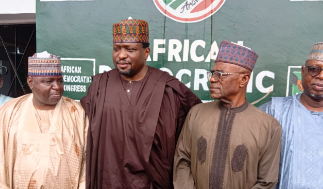
Stakeholders in Nigeria’s health and humanitarian sectors have stressed the need for greater accountability, transparency and stronger local institutions to sustain gains in healthcare delivery and social development across the country.
The call was made during a closed-door engagement in Abuja, where ECEWS highlighted its interventions in HIV/AIDS, tuberculosis, malaria, maternal and child health, and community-based healthcare services, as well as the policy gaps that still require attention.
Speaking at the event, Minister of Humanitarian Affairs and Poverty Reduction, Dr. Bernard Doro, said accountability remains critical in ensuring that humanitarian and development interventions reach vulnerable populations.
He said organisations working within the humanitarian ecosystem must ensure that resources are effectively utilised and that interventions get to communities most in need.
“For those working in the humanitarian ecosystem, our work has to do with vulnerable people. Accountability is very key, and we need to ensure that whatever we do gets to the last mile,” he said.
Doro also urged development partners to prioritise credible local organisations with proven records of transparency and effective programme delivery.
Similarly, Chief Executive Officer of Excellence Community Education Welfare Scheme (ECEWS), Dr. Andy Eyo, identified integrity, institutional competence, and patriotism as critical factors for the survival and growth of non-governmental organisations in Nigeria.
Reflecting on the organisation’s journey, Eyo said ECEWS had remained focused on its vision despite numerous challenges, including insecurity, dwindling resources and economic difficulties.
“Twenty-five years down the line, we can look back at our story and understand that what has brought us this far is a lot of integrity, keeping the money right, having a clear vision and loving the Nigerian people,” he said.