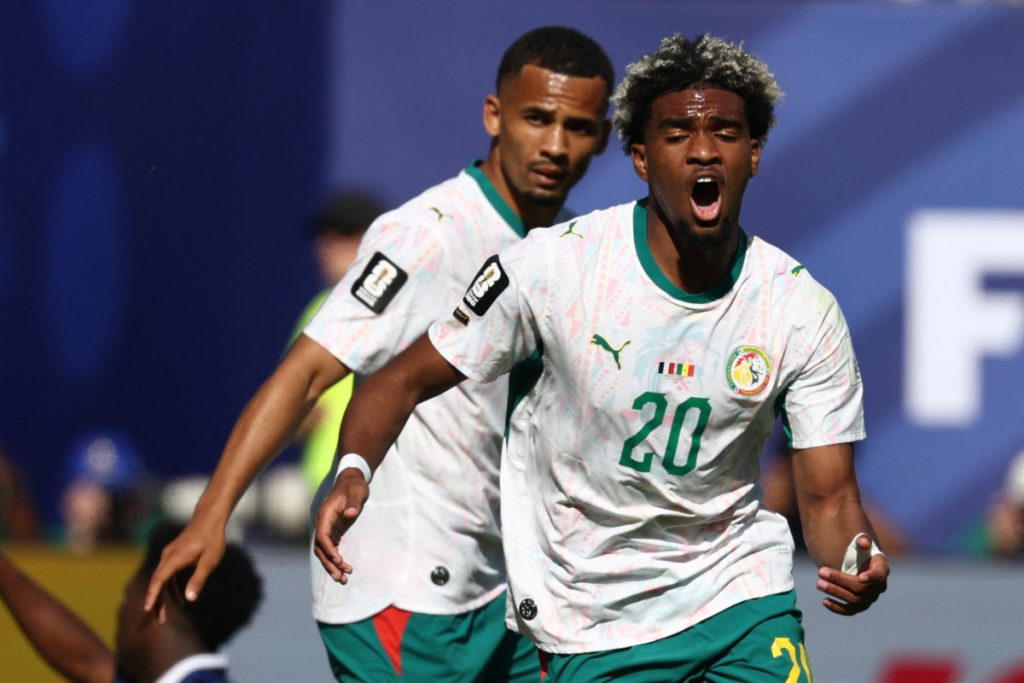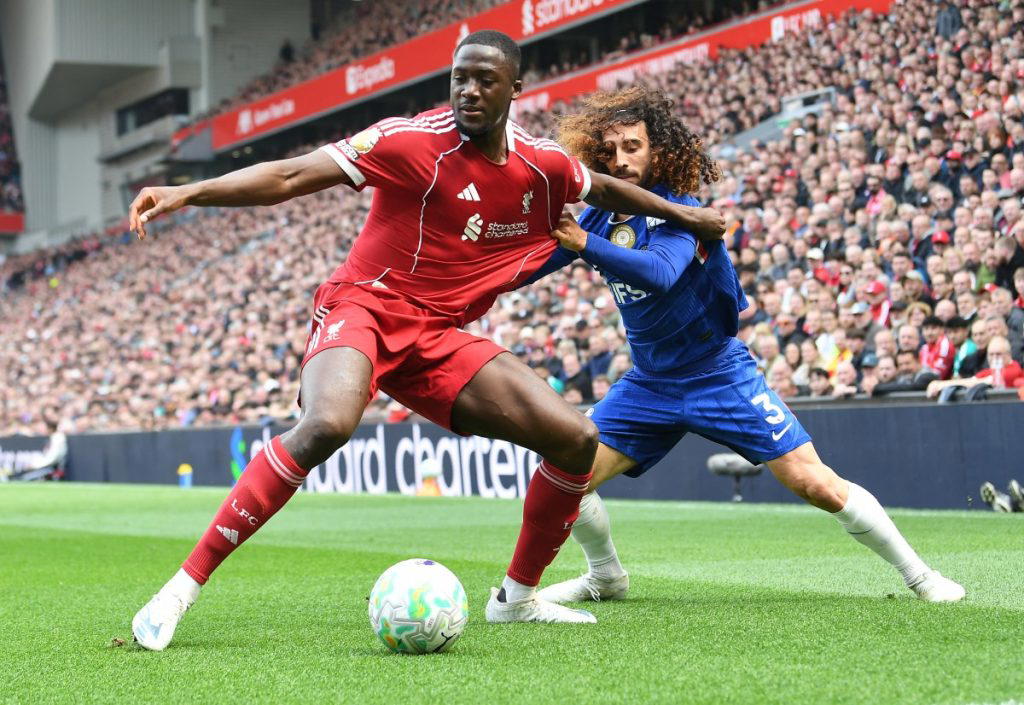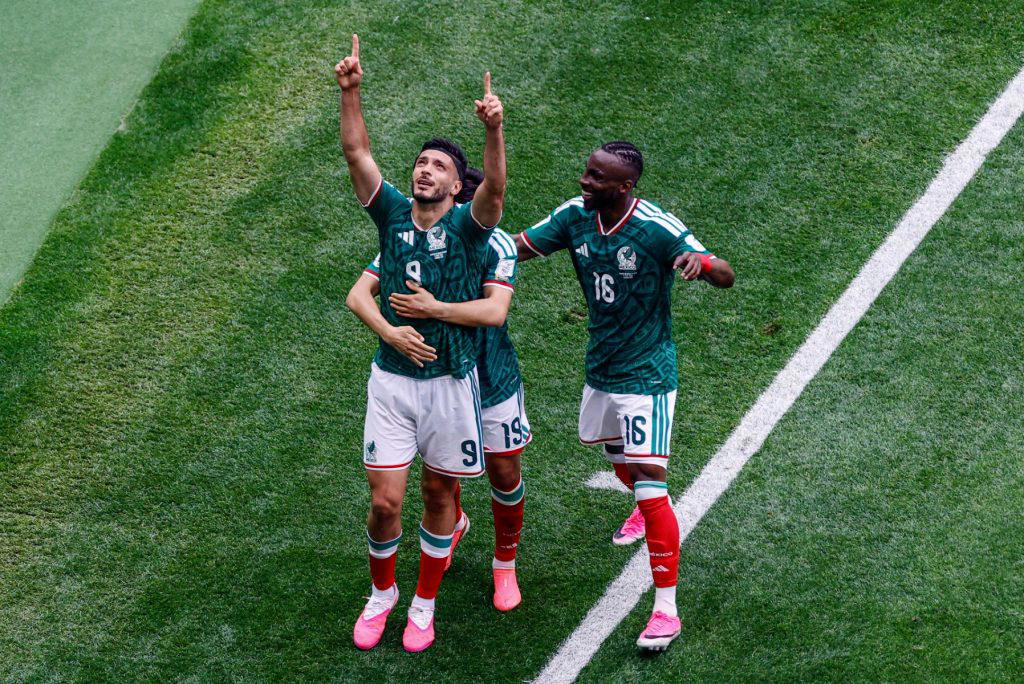
A Premier League match involving Arsenal or Manchester United can dominate conversations in Nigeria long before kick-off. Team news is debated in WhatsApp groups and transfer rumors can dominate discussion for days before a match is played.
Football is also the sport most closely associated with betting activity in Nigeria, from Premier League fixtures to international tournaments. Supporters who view site updates, fixtures and odds movements often begin following developments days before a ball is kicked.
It Starts With Football
Few sports command attention in Nigeria like football. The Premier League attracts a huge following, while Super Eagles matches continue to generate nationwide interest. Weekend fixtures become talking points in homes, workplaces and online communities. Nigeria’s online gambling sector has been estimated at around ₦5.6 trillion, with football remaining one of its biggest drivers.
A supporter discussing a Premier League title race on Saturday may be talking about a Super Eagles qualifier a few days later. Football rarely disappears from the calendar. No sooner has one competition ended than attention shifts elsewhere.
Nigerian fans also follow European competitions and transfer developments involving players abroad. Interest in football stretches far beyond the 90 minutes played on the pitch. A Champions League fixture, a Super Eagles squad announcement or a transfer report involving a Nigerian player can all become major talking points during the same week.
From Betting Shops to Smartphones
Years ago, placing a bet often meant visiting a betting shop before kick-off. Today, many bettors can check odds, place wagers and follow live developments from a mobile phone. Research suggests that more than 92% of bets in Nigeria are now placed online or through mobile platforms. The betting shop has not disappeared, but smartphones have become the main gateway to the market.
The convenience has changed how people interact with football. A supporter watching a match can follow live odds at the same time, while another may check prices during a lunch break or while travelling home.
Team News Can Move the Market
A striker ruled out on Friday afternoon can change the mood around a match within minutes. The same applies when a major transfer target is linked with a move or a manager confirms an unexpected line-up decision.
The speculation surrounding Victor Osimhen’s future provides a good example. Reports linking the striker with clubs across Europe rarely stay confined to transfer discussions. Supporters begin debating whether a move could improve a team’s title chances, strengthen an attack, or alter expectations for the season ahead. Those conversations frequently spill into betting markets before any transfer is completed. Odds can move on the strength of a report, even when nothing has been officially announced.
Transfer stories rarely stay confined to one club. A player linked with a move can quickly trigger wider discussions about title races, European qualification, or squad depth. During the transfer window, supporters may spend days debating reports that never lead to a completed deal. The speculation itself becomes part of the football conversation.
The same applies to international football. A Super Eagles squad announcement can generate intense discussion before a ball is kicked. Questions about form, injuries and selection decisions frequently dominate headlines in the days leading up to a match.
Platforms such as VBET become part of that wider discussion, offering supporters another way to follow changing expectations before matches take place. A squad announcement released on Friday afternoon can become one of the most discussed football stories of the day, particularly when major matches are approaching.
The World Cup Effect
Nigeria’s attempt to return to the World Cup gives supporters another reason to follow football beyond club level. The 2026 tournament, which will be hosted by the United States, Canada and Mexico, will feature 48 teams and 104 matches. The expanded format adds 40 matches compared to Qatar 2022 and introduces a new Round of 32.
Missing the 2022 World Cup in Qatar remains a sore point for many Nigerian supporters. Four years later, qualification is once again a major talking point.
The tournament itself will look different. The 2026 World Cup will feature 104 matches, compared with 64 in Qatar. A group-stage surprise, an emerging African side or a potential opponent can remain part of the conversation for much longer when there are that many games being played across the competition.
The expanded format also changes how supporters follow the tournament. Previous World Cups featured 64 matches. With 104 matches scheduled in 2026, several storylines can develop at the same time. Supporters following Nigeria’s qualification hopes may also find themselves paying attention to potential opponents, standout players from other African nations and developments elsewhere in the competition.
The Match Is Only Part of It
A supporter might spend Monday discussing the weekend’s results, Tuesday debating a transfer rumor and Wednesday analyzing a squad announcement ahead of the next round of fixtures. Research published in 2025 found that more than half of Nigerians had participated in sports betting during the previous year.
A supporter discussing a Champions League match on Tuesday may switch to a conversation about World Cup qualification a few days later. By the weekend, attention may have returned to the Premier League. Football provides a constant flow of talking points between fixtures.
That pattern is particularly visible online, where discussions can continue long after a result has been decided. A Premier League fixture may last 90 minutes, but the conversation surrounding it often starts long before kick-off and continues long after the final whistle.E-